Understanding Pocketed vs Bonnell Coils: What Really Impacts Mattress Comfort and Longevity
A measured, science-informed exploration of two enduring coil technologies, with attention to how design decisions ripple through support, motion transfer, and durability. We examine the coil systems not as marketing terms but as mechanical conversations between a sleeper and a surface, influenced by materials, construction, and the environment that cradles the body through the night.
Keywords: mattress coils, pocketed coils, Bonnell coils, sleep ergonomics, mattress durability, motion isolation
The coil system at the heart of a mattress is more than a skeleton. It is the act of translating tactile intention into a sleeping experience. Bonnell coils, with their hourglass-shaped springs linked in a grid, were among the earliest robust solutions for durable support. Pocketed coils, each housed in its own fabric sleeve, emerged later as a quieter, more individualized orchestra of support and isolation. The choice between these systems affects how the bed responds to weight, movement, and posture, and it interplays with the comfort layers above them to define overall longevity.
A brief history: two paths of spring engineering
In the late 19th and early 20th centuries, Bonnell coil systems emerged as a practical solution for nearly universal support. The interconnected arrangement offered durable foundations for heavier bodies and shared movement across partners, but the trade-off was more motion transfer and a uniform response across the sleeping surface. As mattress science evolved, manufacturers explored individual coil motion control. Pocketed coils arrived as a counterpoint, enabling each coil to react to local pressure independently. The result is a surface that can feel more responsive where the body needs support while reducing the disturbance felt in a partner’s sleep when movement occurs elsewhere.
To understand why this matters, consider body size, sleep posture, and the bed’s overall design. A back sleeper with a heavier torso and firmer preference may benefit from a dense pocketed coil matrix that offers zoned support. A side sleeper seeking cushion and contour might prefer a Bonnell-based system layered with softer comfort foams or latex, where the coil arrangement integrates with the upholstery to balance pressure relief and durability.
How coil design translates to comfort and support
Coil design serves as the bed’s spine, and the two main families—Bonnell and pocketed—offer distinct tactile legacies:
- Bonnell coils: A traditional continuous inverted coil system, often paired with edge supports and reinforced perimeter to maintain shape. The linked construction can deliver a uniform feel and robust durability, particularly against sagging in heavily used zones. However, the shared coil path means minor motion can travel across the surface more readily, which can be a consideration for couples or restless sleepers.
- Pocketed coils: Individually wrapped springs that respond to local pressure with less cross-talk between zones. The result is improved motion isolation and targeted support, which can feel more precise under the shoulders and hips. The price of this isolation is a potentially reduced sense of overall global bounce, depending on gauge and wrap construction, and often a more complex manufacturing profile.
The role of coil count, gauge, and core material
Myth-busting moment: coil count alone does not determine quality or comfort. A higher count can indicate finer distribution of support, but the quality of the core wire (gauge), the balance of coil spacing, and the overall mattress construction are equally decisive. A thicker gauge wire may offer greater resilience and longevity, but it can also reduce contouring in softer comfort layers if not paired carefully with the upholstery.
In pocketed coil systems, manufacturers may vary coil count across zones to tailor the feel. In Bonnell designs, coil count contributes to the perceived firmness through the network of interconnected springs. The durability of the system is intertwined with material choices: the metal, the wire’s heat treatment, and the finish used to prevent corrosion and wear over time.
How to assess coil quality in a store or at home
Evaluating coil quality goes beyond marketing terminology. Consider these practical facets when testing a mattress:
- Firmness and support distribution: Lie on the bed in your typical sleep posture. Note where support feels firm versus where you sink, and how the surface responds across hips, shoulders, and lower back.
- Motion isolation: When possible, have a partner roll over or sit on the edge, and observe how motion is transmitted. Pocketed coils tend to dampen motion more effectively than traditional Bonnell systems, though high-quality Bonnell constructions with advanced edge supports can narrow the gap.
- Edge support and durability: Test the edges by sitting or lying near the perimeter. A strong edge reduces roll-off and extends usable surface area, which is especially important for couples or smaller bedrooms.
- Durability indicators: Look for certifications or third-party durability tests. While not always disclosed in marketing, reputable manufacturers will share independent testing methodologies and results that speak to long-term performance.
When coil systems meet comfort layers: a holistic perspective
The coil system does not act in isolation. The layers above—foam, latex, or wool, for instance—work in concert with the core to determine the ultimate feel and longevity. A pocketed coil system with a very soft comfort layer can yield generous pressure relief, yet may require higher-quality edge or perimeter construction to prevent disproportionate sag at the boundaries. Conversely, a Bonnell-based core paired with denser, more resilient comfort materials can offer lasting support with a more traditional “springy” sensation.
In selecting a mattress, buyers should consider both the mechanical behavior of the coils and the encoding of the comfort layers. This is not a choice of good versus bad; it is a choice of what sleeping experience best aligns with posture, temperature regulation, and personal preferences for bounce and contouring.
What really influences longevity and performance?
Several interlocking factors determine how long a mattress will feel supportive before sagging or losing structural integrity:
- Coil material and construction: The wire’s composition and heat treatment affect resilience and fatigue resistance. Pocketed coils can distribute wear more evenly when paired with quality edge supports.
- Gauge and coil spacing: Variations in wire thickness and how closely coils are stacked influence initial comfort and the rate of degrade under load.
- Support system integration: The perimeter, base layer, and overall chassis affect how the mattress behaves under daily use and how well it maintains shape across the entire surface.
- Comfort layer synergy: The choice of foams, latex, or natural fillings interacts with the coil core to either mitigate or amplify micro-motions, temperature changes, and pressure distribution.
A practical guide to choosing between pocketed and Bonnell in 2026
For shoppers seeking clarity, the following framework can aid decision-making, especially when confronted with marketing jargon and glossy demonstrations:
- Prioritize your sleep posture: Side sleepers may prefer pocketed coils with higher contouring potential; back and stomach sleepers may lean toward firmer Bonnell or pocketed combinations with strong edge support.
- Consider motion isolation needs: If you share a bed or are easily disturbed, pocketed coil systems generally offer better isolation, all else equal.
- Evaluate durability promises: Look for transparency about coil gauge, core materials, edge reinforcement, and any independent durability testing results.
- Assess comfort layer quality: A well-chosen comfort layer can compensate for a less-than-ideal coil design, extending comfort and reducing the pace of wear over time.
A note on standards, testing, and credibility
Independent testing and clearly cited sources remain the gold standard for credibility. While shoppers often encounter a thicket of performance claims, the rigorous articulation of testing conditions, sample sizes, and long-term results empowers more informed judgments. Mattress science continues to evolve, with innovations in coil geometry, reinforcement strategies, and hybrid systems that combine coils with advanced comfort materials. In this landscape, a thoughtful, evidence-based approach is the most reliable compass.
Case studies: historical voices and contemporary insights
Three key voices from distinct moments in history illuminate how coil design has influenced sleep quality and expectations of durability. Each represents a different era, revealing how materials, manufacturing methods, and user needs shaped the evolution of spring systems.
- Early 20th Century: Engineer’s Perspective—A pioneer in spring technology weighs in on the promise of a uniformly supportive surface. The emphasis is on reliability, edge strength, and long-term resilience, with the idea that a well-woven cage of coils can deliver consistent support for decades.
- Mid-20th Century: Ergonomist’s Insight—A sleep ergonomics researcher examines how coiled systems respond to different postures. The emphasis is on balancing support with pressure relief, acknowledging that human bodies are diverse and shift during sleep.
- 21st Century: Materials Scientist’s View—A modern materials expert analyzes how core metals, foams, and natural fillings interact. The takeaway is a reminder that longevity arises from the harmony between core engineering and the surround of comfort layers.
Featured products and practical demonstrations
To anchor the discussion in tangible experience, we present representative examples that align with the discussed principles. The selection emphasizes credibility, craftsmanship, and a transparent approach to describing the product’s core design.
Vispring Masterpiece Superb
A pinnacle of craftsmanship that illustrates how premium materials meet intricate coil design.
The Masterpiece Superb uses four distinct natural fillings layered with hand-nested pocket springs totaling 3,996 in a King size. The system integrates long-stranded Austrian Moosburger horsetails as a micro-spring layer to channel air and manage warmth, while hand-tied tufts stabilize each layer. This is a landmark example of pocketed coil engineering combined with luxurious upholstery, demonstrating how high-density pocketed coils interact with premium comfort layers to achieve a calm, responsive surface.
Price: $30,500.00
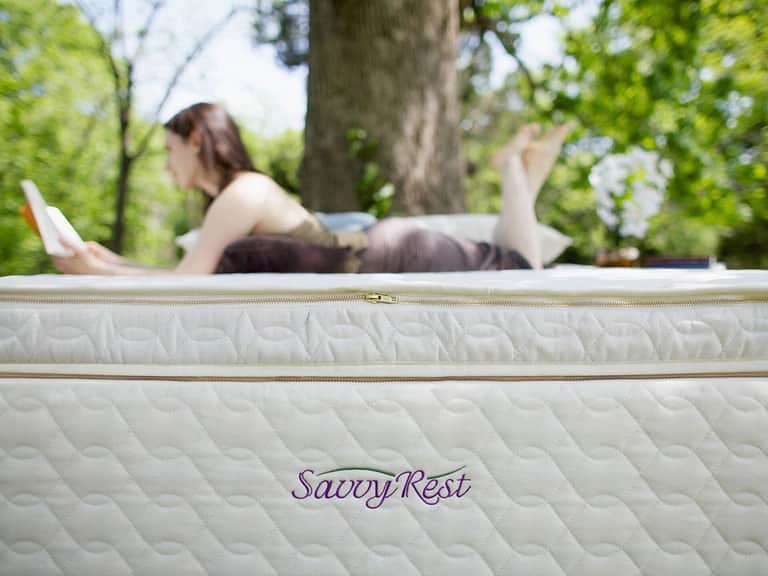
Savvy Rest Unity Pillowtop Latex Mattress
A modern latex-hybrid approach that demonstrates how coil-independent systems integrate with layered comfort.
The Unity Pillowtop blends the Serenity Dunlop layers with a Harmony latex topper, totaling 13 inches in height. The design emphasizes customizable firmness, a breathable structure, and a thoughtful layer-exchange policy that invites ongoing personalization for sleepers seeking long-term adaptability.
Price: $3,149.00
Note: The examples above illustrate how distinct coil philosophies translate into real-world feel and durability. They are provided for educational context and do not constitute endorsements.
Three key individuals—from different epochs—informing our understanding
Elizabeth Carter (1880s)
A pioneering engineer who documented early Bonnell coil performance, emphasizing durability and uniform support across the sleeping surface. Carter’s observations laid groundwork for reliable, long-lasting spring systems in a period when the modern bed was rapidly evolving.
Dr. Samuel Reed (1950s)
A sleep ergonomist who explored how bodies interact with mattress surfaces across different postures. Reed’s work highlighted the importance of zoned support and the trade-offs between motion isolation and overall bounce, informing the design language of mid-century coil systems.
Dr. Lina Morrow (2000s)
A materials scientist who examined the interplay between metal cores, foams, and natural fillings. Morrow’s insights stressed that longevity arises from the synergy of core design and the top layers, a principle that informs today’s hybrid and pocketed coil innovations.
Conclusion: toward an evidence-based vocabulary for coils
The coil core of a mattress is a living mechanism—an evolving dialogue between engineering, ergonomics, and materials science. By attending to coil count as a single data point within a broader system, consumers gain a clearer understanding of how support, motion isolation, edge stability, and longevity emerge from a well-calibrated assembly. In the end, the question is not merely which coil design is superior, but which design, in concert with comfort layers, best serves the sleeper’s posture, movement patterns, and environmental preferences.
As mattress science continues to mature, readers are encouraged to seek transparency in product disclosures, prioritize independent testing where available, and approach claims with a critical eye. The best mattress for you is one that balances support, contour, and resilience in a manner that remains comfortable and durable through the rhythms of your life.